Aliana Marther
12 posts
Aug 18, 2026
5:41 AM

|
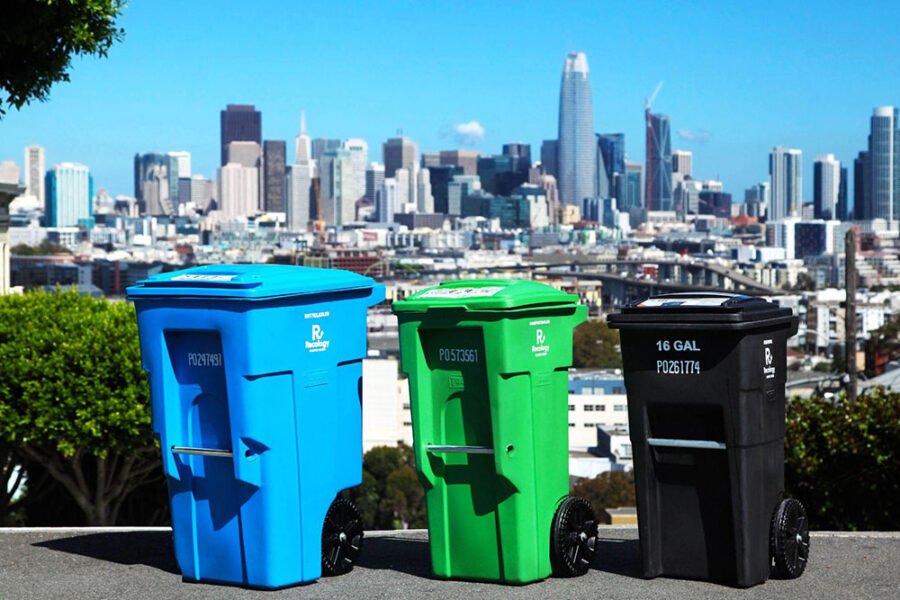
A clean city is not created by chance. It relies on hundreds of little decisions taken daily by local government, businesses, visitors, and people. Cities generate enormous amounts of waste from domestic trash to business waste and building debris that must be handled correctly. Though professional services are just one part of the answer, Skip Hire Failsworth and similar services can help handle more garbage. Everybody has a part to play. Cities become healthier, more beautiful, and better places to live when people properly get rid of waste, recycle when feasible, and stop needless garbage.
Everybody Generates Waste
Everyday existence includes trash. People toss away food wrap, bottles, paper, old clothes, damaged items, and many other things. Businesses generate packaging waste, office trash, and commercial goods. Construction projects can generate even more. Since everyone helps to cause the issue, everyone has to help to fix it. When lots of people do small things, they can make a big difference. You can reduce the amount of garbage entering the system by using reusable bags, cutting down on unnecessary packaging, and only buying what you need.
Bad Disposal has an impact on the entire city
Improper disposal of waste not only makes a location look messy. Waste can cause bad odors, draw pests, contaminate rivers, and clog drains. Additionally lasting for lengthy periods in the environment are plastic and other substances. Fly-tipping strains local governments even more. Councils then have to invest time and money to remove garbage that should have been disposed of properly. The consequences could go beyond the one who discarded the trash. A cleaner city calls for individuals to consider where their rubbish goes instead of just getting rid of it as fast as possible.
Recycling Begins at Home
Recycling is most effective when participation is constant. Families can sort recyclables according to their local collection policies. Recycling options may include paper, cardboard, glass, metal, and some plastics. Guidelines differ depending on where one lives; therefore, locals should consult local advice. Clean, well-sorted items are easier to process. Recycling also helps to cut down on the volume of trash sent to disposal sites or landfills. It helps valuable items re-enter manufacturing rather than being thrown away after one use. Simple customs could also fit into a family schedule.
Enterprises Have Significant Importance
Every day, businesses create a lot of trash. Different rubbish requirements exist for eateries, stores, offices, warehouses, and construction businesses. They should design their storage, separation, and disposal methods. Managing stock, cutting unnecessary packaging, recycling appropriate materials, and choosing reusable goods will help companies reduce waste. They can also train staff in proper waste management. Customers also see accountable companies. Keeping its grounds tidy and handling waste appropriately can help a company to project a better image.
Accountable Services Simplify Disposing of Waste
People sometimes struggle with waste when their trash exceeds what typical home collections can handle. Large clean-ups, moves, garden clearances, and home improvements all generate a lot of trash fast. Professional waste services offer a practical option for these situations. The right service can help collect and handle larger volumes without leaving garbage all over the house. Still, users should think critically when selecting services. Find out what resources they take and how they will manage rubbish. Responsible disposal should centre on good management instead of just moving trash from one place to another.
People Can Team
Communities working together simplify waste control. Local groups can plan recycling campaigns, clean-up projects, and awareness campaigns on garbage. Children can learn in schools why waste minimisation is important. People can also report fly-tipping to the right local authorities. Being involved in the community helps one to be more responsible. People sometimes use more caution when they feel connected to their neighbourhood. Clean surroundings also inspire people to help to maintain them.
Before getting rid of trash, cut it down
Usually the greatest trash is the trash that never forms. Before making a purchase, give some thought. When feasible, select robust goods instead of throwaway substitutes. Fix things instead of throwing them away right away. Give clothes and home items a second life. Reusing containers helps cut down on needless packaging. Food waste also needs attention. Plan meals, store food properly, and creatively use leftovers. These measures help to relieve strain on garbage collection and processing facilities. Waste management ought to start outside the bin. It ought to start with daily consumption and purchase choices.
Conclusion
City waste control is more than a duty for professional garbage firms or councils. People, companies, tourists, and neighbourhoods all affect how much rubbish a city creates and how well it is managed. Responsible reuse, recycling, disposal, and waste minimisation really do help. Though daily routines still matter just as much, professional help can help with bigger clean-ups.
Visit milliescentedrocks for more Discussion.
|