Aliana Marther
11 posts
Aug 18, 2026
5:36 AM

|
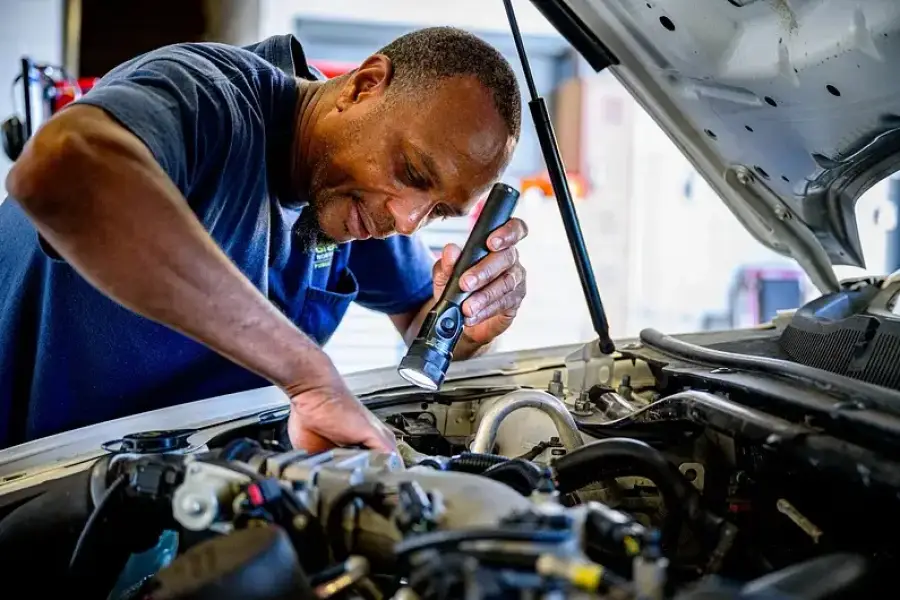
A car may occasionally seem to have more to give. You may find sluggish acceleration, delayed throttle response, or a lack of confidence while passing. Vehicle remapping can change software settings inside the engine control unit (ECU) to affect engine response. A good map could help to improve general drivability, torque delivery, and throttle response. However, the car, engine condition, and calibration quality all affect the outcome. Picking a trustworthy Best Remap Company UK will enable the modifications to fit your particular car instead of depending on a generic file.
What Is Car Remapping?
Important engine operations in contemporary cars are managed by an ECU. It analyses sensor data and adjusts elements like ignition timing, boost pressure, throttle behaviour, and fuel delivery. A remap modifies chosen ECU-based software settings. One seeks not just to boost power. Proper calibration should also help the driver get their power. Various engines react to modification differently. A turbocharged petrol engine could act differently from a naturally aspirated or diesel engine. This emphasises the need for correct calibration.
Improved Throttle Response
One change drivers might notice after a suitable remap is throttle response. You want the car to react smoothly and consistently when you push the accelerator. Some factory configurations prioritise emissions, comfort, fuel economy, or wide operating conditions. A calibration might change the response of the engine within an acceptable range. The outcome can seem more immediate. Less reluctance would be evident as you accelerate or pull away. Though it could feel more connected to your inputs, the automobile probably won't get much quicker. For daily driving, that better reaction could help the car to be more fun.
Greater torque delivery
How a car feels during acceleration depends critically on torque. A good remap lets the engine's normal operating range have more torque. This might help the car feel more robust while accelerating from mid or lower speeds. When entering a highway, ascending a slope, or passing another car, the change might be clear. Still, more torque stresses the clutch, gearbox, and drivetrain more. A responsible tuner should consider these elements carefully before making any adjustments. More torque is good only if the car can manage it consistently.
More Even Power Delivery
Performance isn't only about top horsepower. How power arrives can have a greater impact on daily driving. A poorly drawn map can cause unpredictable power delivery. This can make the car feel less smooth to drive. A well-calibrated map should deliver reliable performance. The rev range should naturally boost power. This might improve the subtlety and sophistication of acceleration. Furthermore, the engine responds more naturally, so drivers may find they need less forceful throttle inputs. The goal ought to be functional performance instead of just amazing statistics.
Remapping Can Help Fuel Efficiency
Though outcomes aren't guaranteed, remapping is sometimes linked to better fuel economy. Under certain driving conditions, a good calibration can improve efficiency. But driving style greatly affects fuel usage too. Your fuel efficiency could rise if you often utilise a remap that gives more power. There is no general fuel-saving outcome. Anyone thinking about a remap for economy should have reasonable expectations. The result can be affected by the calibre of the calibration, the state of the car, driving patterns, and the kind of engine.
Selecting the Right Remap
Not every remap has the same quality. While some companies change maps based on the particular car, others use common files. Ask about the improvements and whether the original program can be recovered if needed. Also ask about diagnosis, testing, and aftercare. Avoid choosing a service based solely on its claim of the biggest power boost. A minor, controlled modification might be more appropriate for a daily driver. The best calibration balances performance, dependability, drivability, and the vehicle's intended purpose.
Consider the Results Over Time
Before remapping, think about how you use your car. A daily commuter might benefit from a minor improvement; a performance-focused car would profit from a bigger upgrade. You also need to think about warranties, insurance needs, emissions standards, and roadworthiness laws. Better performance can put more strain on mechanical parts. Keep maintenance current and monitor the car after tuning. A remap should enhance the overall driving experience rather than simply chase a bigger horsepower number.
Conclusion
By modifying the ECU's management of engine performance, car remapping can alter the ride quality of a car. In some cases, drivers may see more torque delivery, smoother acceleration, better fuel economy, and sharper throttle response. But outcomes rely on the car, its maintenance, and the calibre of the calibration. A sensible strategy takes legal requirements, driving style, and mechanical restrictions into account.
Visit milliescentedrocks for more Discussion.
|